Nature packs the nutrients, we pack the box
Flavour is nutrition
What if choosing food that tastes better also meant choosing food that’s better for us?
Long before we stuck nutrition labels on our food, our senses helped us work out what to eat and our bodies evolved to use flavours to find out what was most nutritious. The savoury taste of umami pointed us towards amino acids, sweetness showed us which foods were energy rich, and the delicious aromas from fresh fruit and vegetables signalled to our brains where important natural compounds could be found.
We're not the only ones either – animals use taste in much the same way. For example, cattle look for different plants throughout the year, instinctively choosing the flavours that provide them with the nutrients they need each season. That’s because flavours are often nature’s best way to communicate which foods have the most nutrient density.
It starts beneath our feet
Flavourful, nourishing food starts with healthy soil. Soil is so much more than just dirt and earth, it's actually alive with bacteria, fungi and countless other microscopic organisms.
Plants actively feed these underground communities with the sugars they make through photosynthesis, and in return, these microbial communities give back to the plants in a very special way – they create the compounds that give them their distinctive flavours.
It's a remarkable partnership that's evolved over hundreds of millions of years, but we now know that healthy soil ecosystems mean healthier crops and healthier crops mean more flavour-filled, naturally nutritious food. That’s why organic farming is so reliant on composting, crop rotations and the protection of soil life, rather than relying on synthetic fertilisers. Organic farming works with what nature already does, rather than breaking and disrupting natural relationships.
More nature, more flavour
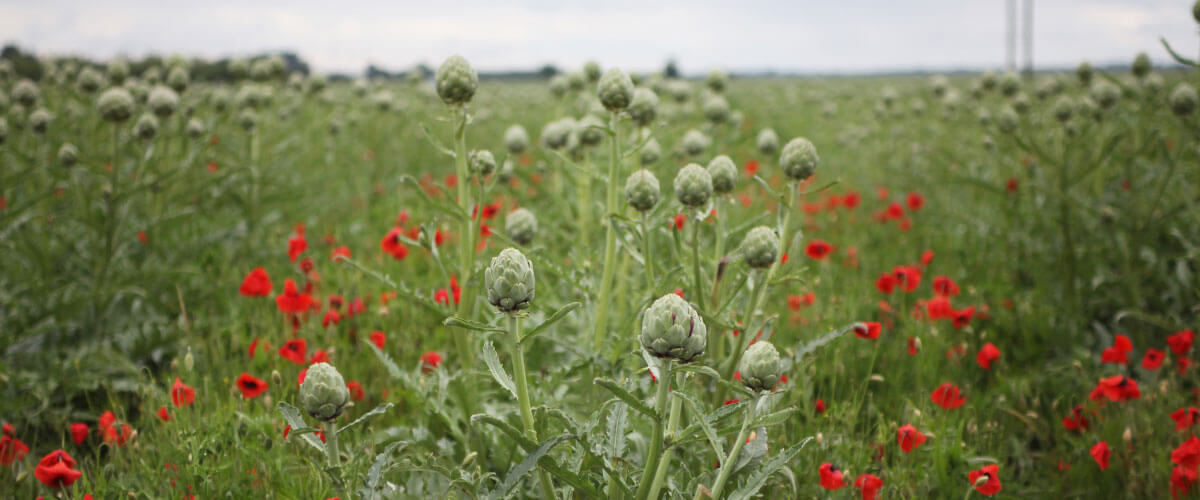
So, if richer ecosystems create richer food, then one of the keys to bold flavours is diversity. In fact, research has shown that strawberries visited by lots of different pollinators, actually end up growing larger, sweeter and redder, and keep for longer.
One farm leading the way is Court Lodge Farm in Sussex. Their pasture is home to a huge diversity of wildlife, with well over a thousand species estimated to visit and live on the farm. Their cattle graze on a huge variety of grasses, herbs and wildflowers, instinctively selecting different plants as the seasons change. It's this kind of farming that puts nature (and flavour) first.
It all comes down to how we farm
The way we grow food directly affects what ends up on our plates.
Healthy soils, rich in microorganisms, help plants access a wider range of nutrients and develop the natural compounds responsible for their flavour. It's one of the reasons organic produce often has so much flavour. Conventional farming often relies on synthetic fertilisers that feed the plant directly to boost growth, but this reduces the plant's reliance on the living soil beneath it. The complex relationships between roots, fungi and microbes become less important over time and eventually flavour and nutrition fall by the wayside.
Organic farming takes a different approach. By feeding the soil with compost, diverse crop rotations and natural organic matter, farmers nurture the billions of organisms that make healthy soil possible. Those diverse living soils then help grow healthier, more resilient, more flavourful and naturally nutritious crops.
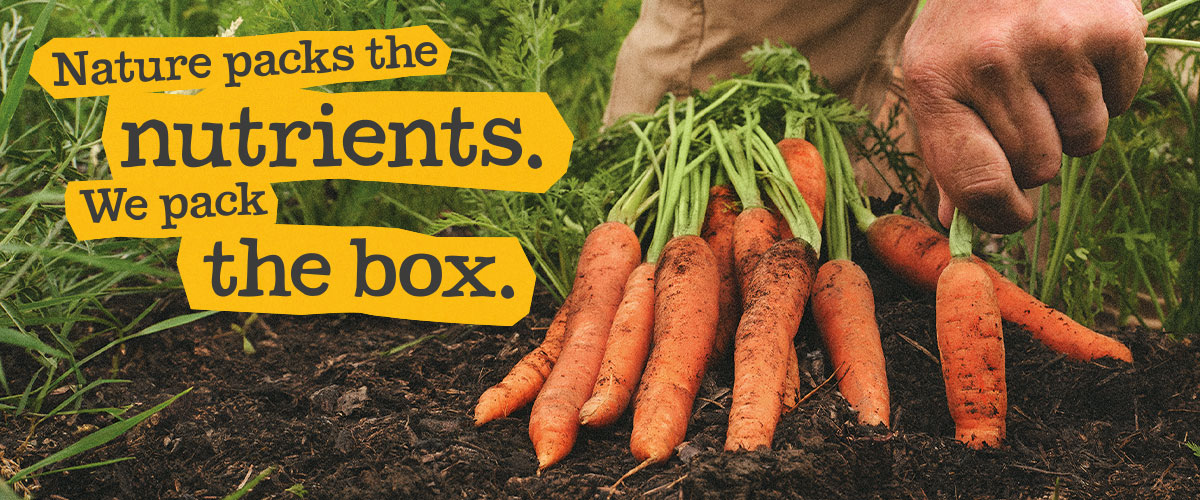
Joe Rolfe at RB Organics farms with this in mind, by putting soil health first and growing carrots with remarkable sweetness. Rather than simply feeding the crop, he invests in the ecosystem around it, letting nature do what it does best.
After that? We pack Joe’s delicious, naturally nutritious organic carrots straight into your box. Next stop, your kitchen table.
Published August 2026


