Regenerative grazing with Farm Wilder
Who are Farm Wilder?
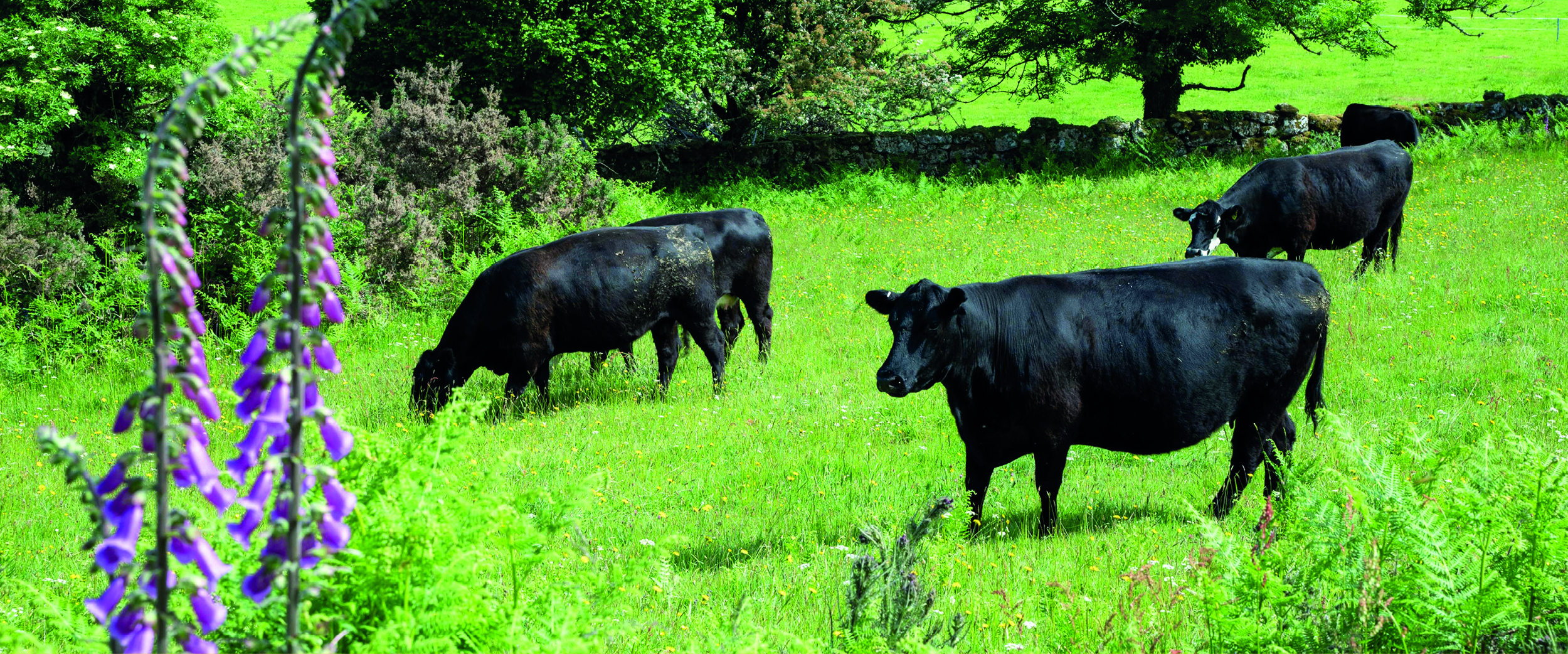
Farm Wilder is a social enterprise, working with around 30 farmers across the Southwest of England, to help restore habitats such as scrub, marsh and wooded pasture. All their farmers follow strict animal welfare standards, rearing native breeds that are 100% pasture-fed, on farms with an approved regeneration plan. By measuring outcomes like the reappearance of certain ‘indicator’ species and ensuring their farmers are paid fairly for their efforts, Farm Wilder are showing that well-managed livestock can help restore nature. Proving that biodiversity helps produce delicious, nutritious food.
Blurring the line between rewilding and regenerative farming
Livestock farming hasn’t been without controversy recently. Poorly managed, farmed animals have wrecked sensitive habitats and pushed ecosystems all over the world to collapse. For example, overgrazing with sheep has stripped many of our upland habitats of important plant diversity, contributing to the disappearance of many ground-nesting bird species, such as waders like the Curlew.
However, in many cases this role is reversed. Like their wild ancestors, ruminant herbivores such as cattle can stop competitive species like grasses from taking over, helping to restore the soil microbiome, building up organic matter in soil, and maintaining a diversity of habitats for our native wildlife. In this way, they can act as a keystone species, crucial to the regeneration and healthy functioning of an ecosystem.
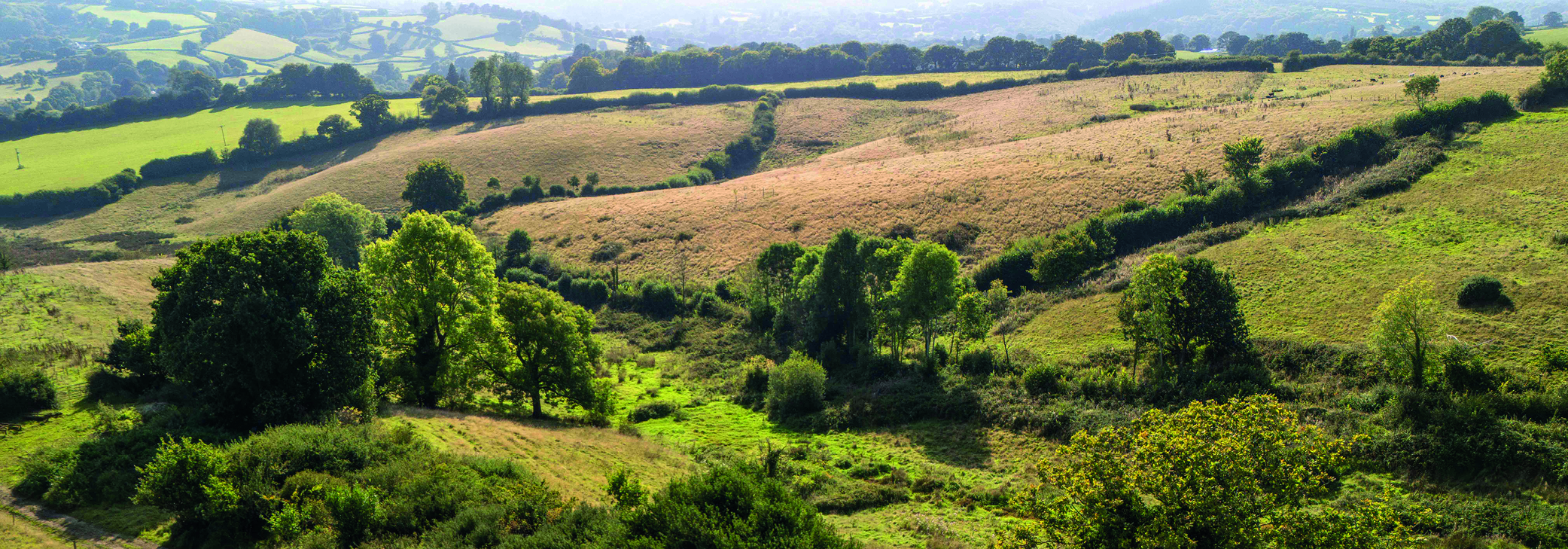
Planting trees is a good way to start restoring our upland ecosystems, but we also need more wetlands, more scrub and more wood pastures. It’s this diversity of habitats that supports the most wildlife on our moors, but that diversity relies on grazing herbivores.
Lowland habitats require a slightly different approach, one that balances our requirement for food production with the needs of our native wildlife. It starts with regenerating the soil. Decades of artificial fertiliser use has left our farmland soils depleted of their natural nutrients, as seen by the increasing nitrogen requirements, rising levels of pests and disease, and declining populations of species such as Skylarks. To reverse this, we need to start returning more organic matter to the soil, in the form of plant leaves and roots, along with the microbiology to break it down. As many of our organic farmers already know, the quickest way to achieve this is to incorporate livestock and a diverse number of plants into their crop rotations.
Measuring success
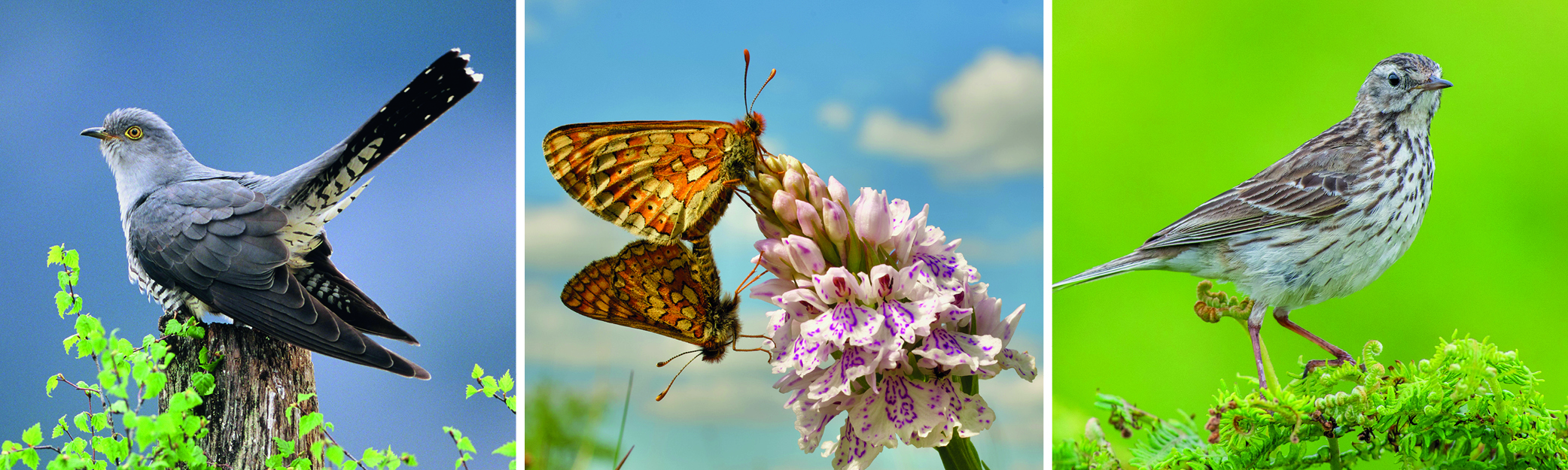
Farm Wilder has been keeping an eye out for certain ‘indicator species’, the plants and animals that provide a strong indication of an ecosystem’s health. Cuckoos, for example, require a mosaic of habitats, an abundance of caterpillars, and the presence of other species such as the Meadow Pipit (to act as ‘foster’ parents – Cuckoos are known as brood parasites, laying their eggs in the nests of other birds). Marsh Fritillary butterflies are another species monitored by Farm Wilder, as they require damp meadows with a high diversity of grasses and wildflowers. If Cuckoos and Marsh Fritillaries are doing well in a landscape, it’s a good sign that the ecology of the area is doing well. By collaborating with conservation experts to measure the populations of these indicator species, Farm Wilder can show that their farmers are actively restoring ecosystems.
Native breeds on pasture
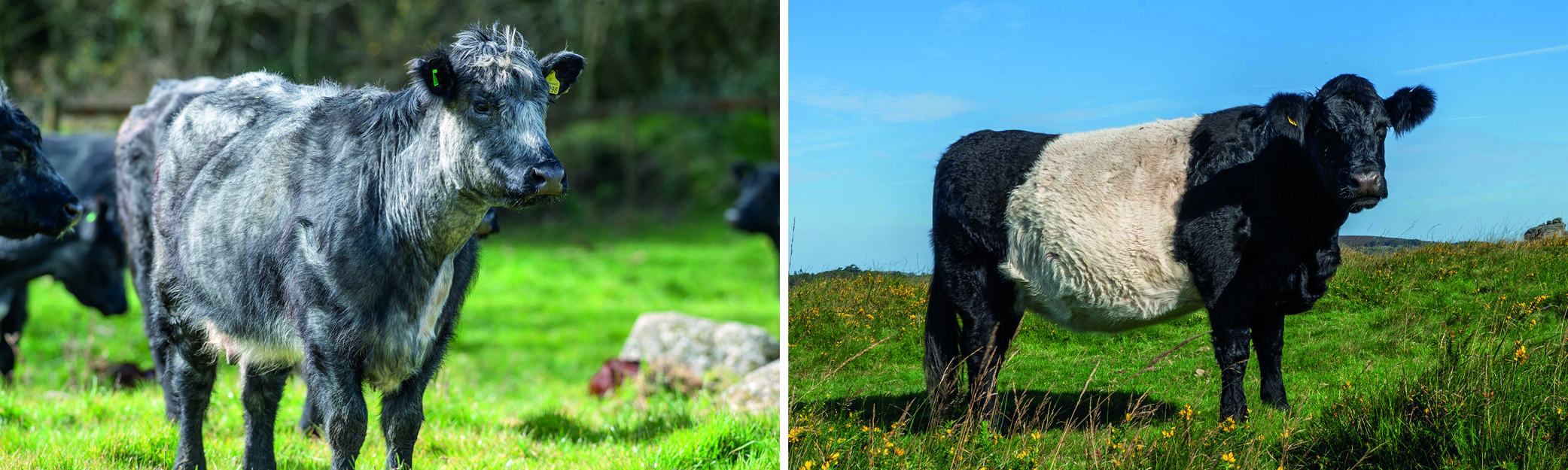
Farm Wilder operate a strict rulebook for their farmers to follow, ensuring only practices that benefit biodiversity are implemented. Choosing native breeds such as Blue Grey or Belted Galloway cattle, ensures livestock are well adapted to their environment and can flourish on diverse pasture. All livestock reared for Farm Wilder is 100% pasture-raised, spending their entire lives on only grass, herbs and wildflowers. As well as mitigating the environmental impact incurred by growing and transporting grain for animals, this also ensures the meat is incredibly tasty and nutritious.
Published December 2025


