call us on 08452 62 63 64

new to Abel & Cole?

shopping basket

0 items in basket Total = £0.00
There's nothing in your basket!

Fish recipes - Our favourite fish recipes so you can make the most out of your organic fish

fish recipes

Here's a collection of fish recipes from our weekly newsletters, and some lovely ones you've sent in. If you'd like more please have a look at our recipe index! To find out about our fish supplier Edwards and order your fish click here.

Fantastic Fish Pie
Creamy Salsify and Fish Soup
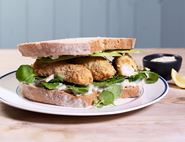
Salmon, Shallot and Caper Burgers
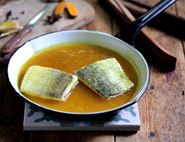
Seared Bream with Spinach and Herb Sauce
Sweet and Soy Glazed Mackerel
Luxurious Lemon Sole Fish Cakes with Cucumber and Little Gem Salad
Courgette, Kiln Roasted Trout and Sussex Slipcote terrine
Whole Roast Salmon, with Orange Butter, Beetroot, Runner Beans and New Potatoes
Organic Salmon, Fennel, Citrus Pate
Steamed Courgette-Wrapped Cod with Tomato Dates
Coconut Milk Poached Monkfish with Rooibos Tea Rice and Pak Choi
Fiona's Crab Gratin
Pollack, with a Golden Parmesan Crust
Preparing & Cooking your Whole Salmon
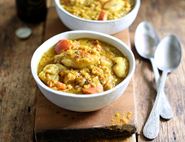
Smoked Haddock Chowder
Delicious Fish Hotpot

print page

Fantastic Fish Pie

  • 500g fish pie mix
  • 550ml full fat milk
  • 1 medium onion, quartered
  • 1 large carrot, sliced
  • 2 bay leaves
  • 2 eggs, hard-boiled (10 minutes), peeled and quartered
  • 1 handful chopped parsley leaves
  • 100g butter
  • 50g plain flour
  • Small pinch of nutmeg, or to taste
  • 1.5 teaspoons of wholegrain mustard
  • About 750g boiling potatoes, peeled or unpeeled, cut into chunks, boiled and mashed
  • 60g grated cheddar cheese

Place the fish, onion, carrots and bay leaves in a frying pan and pour over 500ml of the milk. Slowly bring the milk just to the boil, then immediately reduce the heat to low and simmer 5 minutes. Remove the fish to a large baking dish with a slotted spoon and flake into large pieces, removing any bones. Remove the onion and bay leaves from the milk, but leave in the carrots. Arrange the eggs on top of the fish, then scatter over the chopped parsley. To make the sauce: melt half the butter in a pan over medium heat. When it bubbles, stir in the flour and cook, stirring, 1 minute. Remove the pan from the heat, pour in a little of the poaching milk, then stir until blended. Continue adding the milk slowly, mixing until the sauce is smooth (carrots will go in too). Return to the heat, bring to the boil and cook 5 minutes, stirring constantly. Remove from the heat, add the mustard - season with salt, pepper and nutmeg, and pour over the fish. Preheat oven to 200°C/ 390°F/ Gas Mark 6. Combine the mashed potatoes with the remaining butter and milk. Spread or dollop over the fish mixture, covering the lot. Sprinkle with cheese, and bake 30-40 minutes or until the crust is golden and the sauce is bubbling. Serve with lovely crusty bread and peas or steamed vegetables.

back to top

Creamy Salsify and Fish Soup

Also known as ‘mock oyster soup’! Add white fish chunks at the end if you like - just toss them in after bringing the soup to the boil with the milk; turn off the heat, cover for a few minutes and it’s ready. Serve with fresh parsley and croutons, for 2

  • 1 carrot, peeled and sliced
  • 1 small onion, chopped
  • 2 large handfuls raw fish trimmings or bones
  • 8 black peppercorns
  • 1 bayleaf
  • 1 pinch of dried parsley, or a few fresh sprigs
  • 3 pints water 400g salsify, peeled, sliced, held in water with lemon
  • 5 tablespoons butter
  • 1 tablespoon flour
  • 240ml milk

Heat 1 tablespoon butter in a large saucepan over low heat; add the carrot, onion, fish trimmings or bones. Cover and cook 5 minutes. Uncover, add the seasonings and water, bring to the boil. Reduce the heat and simmer gently for 45 minutes; strain. Add the stock back to the pot with the salsify; simmer 15 minutes or until salsify is tender. Melt 4 tablespoons butter in another saucepan over medium heat; add the flour, and stir the paste 2 minutes. Very gradually whisk in a cup of the soup – when smooth, whisk this mixture into the soup and simmer 5 minutes. Add the milk and bring to the boil for 1 minute. Season to taste with salt and pepper, and serve.

back to top

Salmon, Shallot and Caper Burgers

The ultimate way to get your essential fats! Makes 4-5 burgers; serve with mayonnaise and top with lettuce, tomato, sautéed mushrooms or pickled beetroot (or all of the above!)

  • 1 tablespoon olive oil
  • 2 large shallots, minced
  • 100ml white wine
  • 2 tablespoons fresh lemon juice
  • 1 tablespoon capers, drained and chopped
  • 450g skinless salmon fillet, boned, roughly chopped
  • 100g fresh breadcrumbs (French bread or similar)
  • 1 egg, beaten
  • 1 tablespoon chopped fresh dill, or 1 teaspoon dried
  • 1/2 teaspoon salt
  • 1/4 teaspoon black pepper
  • 10 hamburger buns or Ciabatta rolls

Heat olive oil in a frying pan over medium heat; add shallots and sauté for 4 minutes until soft. Increase heat to medium-high; add wine, lemon juice and capers, and cook until almost all liquid is evaporated – about 7 minutes. Transfer to a bowl and put in the fridge until cold. Coarsely grind salmon in a food processor or mince very well; add to shallot mixture. Mix in breadcrumbs, egg, dill, salt and pepper. Form into 4 or 5 patties. Chill until ready to cook. Cook in a little oil in a large frying pan over medium heat; or under the grill; or bake until cooked through.

back to top

Seared Bream with Spinach and Herb Sauce

Serve with white bean mash and steamed vegetables. Serves 2

  • 1 tablespoon plus 1 teaspoon olive oil
  • 100g spinach leaves
  • 2 teaspoons white wine vinegar
  • 2 teaspoons chopped fresh parsley
  • 2 teaspoons chopped fresh chives
  • 1 teaspoon capers, rinsed and minced
  • 1 anchovy fillet, finely chopped
  • 1 egg, hard-boiled, peeled and finely chopped
  • 2 Gilthead bream fillets (red mullet or sea bass are also great) scaled and pin-boned
  • 2 teaspoons butter
  • 2 teaspoons lemon juice

Make the sauce: place the spinach in a large frying pan over medium heat with 1 tablespoon of water. Cover and steam 2 minutes, or until the spinach is just wilted. Drain, cool and squeeze to get rid of the excess liquid. Finely chop. In a food processor or pestle and mortar mix together the spinach, 1 tablespoon oil, the vinegar, herbs, capers, anchovy and egg to the consistency of pesto. Preheat the oven to 160°C/315°F/Gas Mark 2-3. Using a sharp knife, make a few diagonal slashes along the skin (but not the flesh). Season with salt and pepper. Heat 1 teaspoon of the oil and the butter in an ovenproof frying pan over medium heat. Lay the fish in the pan, skin side down. Cook 2-3 minutes, or until skin is golden. Turn the fish over and transfer the pan to the oven for 4 minutes to finish cooking. The fish should be just cooked and flaky. Squeeze over the lemon juice. Divide the sauce between 2 plates and lay the fish over the top to serve.

Wine match: Frascati Superiore 'Terre Laviche', Casale Mattia 2005/6, £7.99 - because it’s light and delicate with refreshing mineral characters which will match the Bream really well.

back to top

Sweet and Soy Glazed Mackerel

Elegant enough for guests, but easy enough for work days. Great with rice and steamed broccoli; or potatoes and salad. Serves 2

  • 5 tablespoons rice or cider vinegar
  • 3 tablespoons soy sauce or tamari
  • 4 tablespoons sherry or rice wine
  • 4 tablespoons maple syrup or honey
  • about 400g mackerel fillets (or 2 large fillets) skin on

In a medium frying pan over medium heat combine vinegar, soy sauce, sherry, and maple syrup. Simmer for about 10 minutes, or until the sauce has reduced and thickened into a glaze. Remove from the heat, and reserve about 1/4 of the glaze in a separate bowl. Preheat the grill. Line a shallow baking tray with foil. Arrange the mackerel fillets, skin side down, in 1 layer on the tray. Spoon about 1/3 of the glaze from the pan over the fillets, then spread with the back of a spoon to coat. Cook the fish 1-hands-width under the grill for 2 minutes. Remove the pan and coat with another layer of glaze. Grill 2 minutes more, apply a third coat of glaze, then grill 2 minutes more or until cooked through. Remove and with a clean spoon, apply the reserved glaze (or save it to drizzle over rice).

back to top

Luxurious Lemon Sole Fish Cakes with Cucumber and Little Gem Salad

Makes 8 fish cakes

For the fish cakes:

  • 2 large floury potatoes (about 400g)
  • 1 tbsp butter
  • A pinch of ground nutmeg
  • 15g flat leaf parsley, chopped
  • 1 lemon, zest and juice
  • 425g lemon sole fillets
  • Olive oil, for frying
  • 4 tbsp plain flour
  • Pinch of cayenne pepper
  • Salt and freshly ground black pepper

Peel the potatoes, cut into 1inch cubes and boil for about 15 minutes, or until quite tender. Drain well and mash until smooth. Beat in the butter, nutmeg, parsley and lemon zest.

Season the lemon sole fillets with sea salt and freshly ground black pepper. Warm a large frying pan. Add a little splash of olive oil. Gently lay the lemon sole fillets in the pan - you may have to do this in batches - and slowly pan fry for 2 minutes on each side, or until just lightly golden, but cooked through - the fish will starts to flake when it's thoroughly cooked. Allow to cool on a plate.

Flake the fish and add to the potatoes. Season to taste, then set aside to cool for 10-15 minutes.

Divide the mixture into 8 and shape into ovals about 2cm thick. Cover and chill for 30 minutes or until required.

Season the flour with cayenne and a pinch of salt. Dip the fish cakes in the flour until lightly but evenly coated. In a frying pan, heat a bit of olive oil. Fry the fish cakes (in batches if necessary) for 3-4 minutes each side or until crisp and golden. Drain on kitchen paper. Arrange on a plate with the lemon wedges, rocket and flat-leaf parsley.

For the salad:

  • 2 little gem lettuces or 1 lettuce head
  • 1 cucumber
  • 4 tbsp natural yogurt
  • 1 tsp mustard
  • 1 tsp honey
  • 15g flat leaf parsley

Wash, then roughly chop or tear the lettuce. Cut the cucumber into 1inch slices and then quarter. Mix the yogurt with the honey and mustard. Fold into the lettuce and cucumber, mixing it well (this is best done with your hands). Roughly chop the parley and fold it through. Serve immediately, or within a very short period of mixing with the dressing as the lettuce will go soggy if you let it set it for too long.

back to top

Courgette, Kiln Roasted Trout and Sussex Slipcote Terrine

Don't be intimidated - this recipe looks long and involved but it's simply made up of ready to layer ingredients, there really isn't that much work involved. Serves 6-8

  • 2 large courgettes or 4 smaller ones
  • 200g kiln roasted trout
  • ½ lemon
  • 3 x 100g pots of Sussex Slipcote Garlic & Herb Sheep's Cheese, brought to room temperature
  • 2-3 tbsp extra virgin olive oil
  • 100g bag of fresh rocket, finely chopped
  • 250g jar of pitted Kalamata olives, drained and finely chopped
  • Sea salt
  • Freshly ground black pepper

To serve:

  • 800g Pain de Campagne
  • Unsalted buttere -or- Rosemary, sea salt roast potatoes (below)

    To start, ensure you have all your layering ingredients ready. Ensure all the bones are removed from your trout and then break the trout flesh up into fine pieces by rubbing it between your index and middle fingers and your thumb, you want fine, tender little thready-flakes (the sort of texture you'd get in a well-mixed fish cake). Place this in a bowl and season with a grind of black pepper and a squeeze of lemon juice. Make sure your cheese is at room temperature (get out of the fridge and rest on the countertop about 30 minutes before making the terrine). Make sure your olives and rocket are finely chopped and set out in separate bowls. Now, prep your courgettes. Wash, then cut into long, thin ribbons using a vegetable peeler. Line 9x5-inch glass loaf pan with clingfilm, leaving 4inch overhang. Brush the clingfilm with olive oil using a pastry brush. Then, carefully arrange the courgette ribbons in the pan to cover the entire bottom and all sides - don't worry about an overhang with the courgettes because you'll add a final layer after you've filled the mould. Overlap the ribbons slightly as you do this to ensure the pan is well covered. Reinforce the bottom of the pan with ribbons laying flat across the pan in the opposite direction of the ribbons draped, curving upward in a boat-like fashion.

    Place one of the 100g pots of Sussex Slipcote on a large cutting board. Use the back of a soup or wooden spoon to spread the cheese to loosen it up, drizzle over 1tsp to 1tbsp of olive oil, if needed, to soften it up. You want it to edge toward cream cheese consistency, but you don't want to be quite that soft, otherwise the terrine will not be firm enough. Once your cheese is just spreadable, scoop it into the pan and gently spread out as your first layer on top of the courgette ribbons - be careful not to move the ribbons about as you spread the cheese - the reinforced layers of ribbon should prevent this from happening.

    Once your first cheese layer is down, top it with 1/3 of the chopped rocket. Add 1/3 of the olives, then top with 1/3 trout. Start again with a layer of cheese (brushing it again on the cutting board first to loosen and soften it up), followed by the rocket, olives and fish. Finish with one final layer of each, ending with the fish.

    Work in the same direction as you did with the reinforced layer of courgette earlier, cover the final fish layer with overlapping courgette ribbons - so you want them stretching across the pan lengthwise. Tuck the courgettes in on all sides to ensure all you see on the outside of your terrine (once you tip it out) is courgette. Bring the overhanging pieces of clingfilm over and seal as tightly as you can. Use a loaf pan of a similar size or smaller (or another suitable dish - or a pint glass or the like) and carefully, but firmly, press on the terrine to push all the ingredients together - this is important as the layers will split from each other when you cut it if they're not compressed properly.

    Refrigerate for at least 6 hours. (Can be made 2 days ahead.) Once ready to serve, open the clingfilm up, place a large, wooden cutting board over the top of the terrine, hold it firmly on the pan and use your other hand (holding the bottom of the pan/top of the terrine) and flip over. Gently lift the terrine pan and carefully shake the terrine loose from the pan. Carefully peel the clingfilm off and slice it, when it is still very cold (i.e. when it's nice and firm), into 1inch, or slightly thinner, pieces) using a long bread knife Serve with bread or potatoes.

    back to top

    Whole Roast Salmon, with Orange Butter, Beetroot, Runner beans and New potatoes

    Even if there are only two of you in the house, don’t be put off buying a whole salmon as it makes wonderful leftovers. Below this recipe are instructions on how to use any remaining salmon to make a gorgeous, simple pate. Further still, you can use your remains in the cumin-flecked buttery cabbage and new potato side, turning it into a light lunch, serve with green salad. Fish cakes are also a wonderful option. So, the recipe below can serve anywhere from one to six people.

    • 1 whole (2.5k) salmon
    • The juice and grated zest from 3 oranges
    • 2cm piece of fresh ginger root, peeled
    • 100g butter
    • ½ fennel bulb
    • 1 tbsp olive oil
    • Sea salt
    • Freshly ground black pepper To accompany the salmon:
    • 1 small or ½ medium beetroot per person
    • 2-3 runner beans per person, plus a very small or ½ a garlic clove per person
    • 2-3 new potatoes (or more if they’re quite small) per person
    • ¼ lemon per person
    • 5g fresh flat leaf parsley per person
    • 1/2 tsp butter per person
    • Sea salt
    • Black pepper

    First make the orange butter. Put the orange juice, zest and butter in a food processor. If you’re using unsalted butter, add a pinch of salt. Grind some pepper in and finely grate or chop the ginger root and add. Blitz until smooth. If you have time (don’t worry if you don’t), tip the butter onto doubled up (two pieces on top of each other rather than one piece folded over) parchment paper, form into a log shape, roll paper up and over and refrigerate until firm. If you don’t have time for this you can simply spoon the butter as is into the slashes you’re about to make in the fish.

    Preheat oven to 220°C/ 425°F/ Gas Mark 7.

    Using a long and very sharp (ideally freshly sharpened) knife, make 4-5 diagonally slashes across one side of the fish, cutting through the skin and flesh to reach the bone. Flip the fish over and do the same on the other side. You want the slashes to be about 2inches apart, running 2inchs from the head to 2inches from the tail.

    Give the fish a rinse, pat dry and sprinkle a tiny bit of salt across the length of each side. Line a baking sheet with foil, large enough to wrap around the fish. Rub the olive oil across the centre length of it. Use a tape measure to calculate the girth of the salmon at the widest point and use to work out the cooking time - allow 4 minutes cooking for every 2.5cm (it should be anywhere from 45 minutes to 1¼ hours). Place the fish on the foil.

    Spread the orange butter mixture over the fish and inside the cavity, pushing some into the slashes. Slice your fennel halve into 1cm thick panels and arrange in the cavity of the fish. Loosely wrap in the foil.

    Now, quickly prep your beetroot as you’ll want to roast it alongside the salmon. Trim the top and bottom off the beetroot – but don’t expose the beetroot flesh, leave a tiny bit of top on and a little hit of tail. Rub the dirt off with a dry cloth or brush. Place on the baking sheet next to the foil-wrapped salmon, arrange on both sides if you’re using a few.

    Roast for the calculated cooking time. The salmon is cooked when the dorsal fin and skin pull away easily and the flesh is opaque.

    Toward the end of the cooking time, start your new potatoes. Clean, halve or quarter if they’re on the large side, and place in a saucepan, cover with water and bring to the boil. Reduce heat and cook until tender. As they bubble away, cut your runner beans in to 3cm pieces (I like to cut them at a diagonal but it really doesn’t matter if you don’t – I just think they look nice like this). Place the cut runner beans in a little pan, add the garlic, cover with water and bring to the boil, again, reduce heat and cook until just tender (you want them to retain a bit of crispness) – 5-10minutes should do the trick.

    Once the potatoes are done, drain, season and toss in the butter. Drain the runner beans and garlic, season and add to the potatoes. Add a squeeze of lemon. Roughly chop the parsley and fold through.

    When the salmon is done, remove from the oven and open the foil parcel to allow the steam to escape. Rub the skins off the beetroot and quarter. Remove a palm-sized portion of salmon for each person (if serving children, give them a child-palm-sized piece). Serve with the beetroot quarters and a mound of the garlicky, parsley-flecked potatoes and runner beans. Spoon over a bit of the buttery sauce from the salmon and eat!

    NOTE: if you’re making the pate below, save the fennel halve you placed in the cavity for it.

    back to top

    Organic Salmon, Fennel, Citrus Pate

    This is lovely on toast, but is equally nice as a dip for crackers and crudities. Quantities can easily be scaled up or down as this is an ideal recipe for using up leftover roast salmon. If you want to use raw salmon, simply roast, poach, steam or pan-fry the fish (fillets work best) before blending with other ingredients. Serves 4 as a starter or light lunch.

    • 2 palm-sized (about 500g) cooked salmon, roughly broken up
    • 2 tbsp butter
    • Juice and grated zest from 1 orange
    • ½ fennel, sliced into 1cm thick pieces and roast or steamed until tender
    • 200g mascarpone cheese
    • 10g fresh flat leaf parsley, roughly chopped
    • Sea salt
    • Freshly ground black pepper

    Roughly the chop the cooked fennel and place in a food processor with the remaining ingredients, bar the salt and pepper. Process until smooth. Taste, season, blend. Taste again and adjust seasoning as needed. Serve immediately or refrigerate and eat within 2 days.

    back to top

    Steamed Courgette-wrapped Cod with Tomato dates

    This is a simple, pretty dish. Serves 2.

    • 2 x 4 inch-long pieces of cod fillet
    • 1 medium courgette
    • about 10 whole, fresh basil leaves
    • 2 tsp olive oil
    • 6 tomato dates, halved
    • ½ lemon
    • Sea salt
    • Freshly ground black pepper

    Use a vegetable peeler to cut courgette into long, thin ribbons. Brush cod with 1 tsp olive oil and season with salt and pepper. Season the fish and place 2 or 3 whole basil leaves on top of each cod piece. Wrap each piece of cod in the thin strips of courgette, overlapping each piece of courgette as you go around. Brush the outside of the courgette with olive oil and season. Carefully place in a steamer basket and place over boiling water. Gently steam for 15 minutes, or until fish and courgettes are fully cooked. Warm 1 tbsp olive oil in a frying pan. Finish fish off in the frying pan just to give it a bit of golden colour on each side. To serve, top each piece of fish with the halved tomato dates, drizzle over the remaining olive oil, squeeze some fresh lemon juice over, add tiny pinch of sea salt, some black pepper and top with a few fresh basil leaves.

    back to top

    Coconut Milk Poached Monkfish with Rooibos Tea Rice and Pak Choi


    I had a dish similar to this a really lovely, upmarket Thai restaurant near my house. Serves 2.

    • 250g monkfish, cut into 2 large pieces
    • 1 lime
    • 2 tsp butter
    • 400ml coconut milk
    • 100g white basmati rice
    • 1 rooibos tea bag
    • 4 large or 6 smaller pak choi leaves, cleaned and sliced in half
    • 10g fresh coriander, roughly chopped
    • Sea salt
    • Freshly ground black pepper

    Season the monkfish with salt and pepper. Grate the zest from the lime over the monkfish. Warm a frying pan over medium-to-high heat. Once hot, melt the butter. When it starts to sizzle, add your monkfish and cook for 3 minutes. Flip over and pour in the coconut milk. Turn the heat to a simmer and cook for 20 minutes.

    Now, make your rice. Bring 500ml of water to the boil. Add your rice, stir and bring back to the boil. Once boiling, cook for 10 minutes, or 2 minutes less than instructed on the pack. Just before the rice has reached full cooking time, pop your rooibos tea bag into the water, take off the heat and let stand for 2 minutes. Remove tea bag and drain rice.

    Just before you take the monkfish off the heat, add the juice from the lime, carefully stir through coconut milk and allow to simmer 2 minutes before taking the monkfish off the heat. Check your monkfish to ensure it’s cooked through – the flesh should be white right the way through tot the centre. If not, cook further (place a lid – or you can use another pan as a lid – over the top to help speed up the cooking, if needed).

    Once the monkfish is cooked, pile your rice into dishes. Pop the monkfish on top. Place the coconut milk back on the heat and gently cook your pack choi leaves in it for 3 minutes or so, just until they’re tender and lightly cooked. Arrange the pak choi leaves around the monkfish. Pour the coconut milk on top – or enough to saturate the dish and give it a nice soupy sauce. Then, top with freshly chopped coriander leaves. Serve immediately.

    back to top

    Fiona's Crab Gratin

    Delicious, takes minutes to make and always wins complements, says Fiona! Serves 2 (generously)

    • 250g crab meat, mixed
    • 25g butter, melted
    • ½ lemon, squeezed
    • Heaped tsp English mustard
    • Grated nutmeg
    • Good pinch cayenne

    • Topping:
    • 15g breadcrumbs
    • 1 tbsp melted butter
    • 25g grated cheese, such as
    • Green's Farmhouse Cheddar or
    • Parmesan

    Preheat oven grill to medium/high or oven to 190C. Mix the crab, melted butter, lemon juice, mustard, nutmeg and cayenne gently. Divide the mixture between two ramekins. Mix the breadcrumbs with the cheese and 1 tbsp melted butter. Sprinkle on top of each ramekin. Place on a baking tray and grill approx 10 mins until bubbling and browned. Serve with toast, Melba toast, wedge of lemon, black pepper... you get the gist.

    That's it! Enjoy with a chilled glass of white or rose wine!

    back to top

    Pollack, with a Golden Parmesan Crust

    This is a fast and delicious way to serve any white fish, but we love it with Pollack! Serves 2.

    • 300g Pollack fillets
    • 150g plain white flour
    • 1 large egg, whisked
    • 150g Parmesan, freshly grated
    • Freshly ground black pepper
    • Olive oil

    1. Preheat oven to 200C. Give the fish a rinse with cold water. Pat dry. Season the flour with pepper; place in a shallow dish or on a plate. Place the egg on a dish or a plate as well. Do the same with the Parmesan, as you want a little assembly line. Place the fish, a fillet at a time, on the flour plate/dish. Give each side a light coating of flour (not much more than a dusting). Dip into the egg – again, coating each side, but don't over egg it! Press the fish into the grated Parmesan to give each piece, and each side, a nice crust. Line a baking tray with parchment paper, splash on a thin coating of oil, pop into the oven to warm. Then, place the fish on top of the oiled parchment. Roast for 15 minutes, or until golden and cooked through. You could also pan fry the fish – a tad faster ‐ but you run the risk of the lovely crust sticking! Serve fish warm with avocado and salad leaves with our honey mustard dressing, or with roasted cherry tomatoes and purple sprouting broccoli.

    back to top

    Preparing & Cooking your Whole Salmon

    When Edwards' fishermen have just made their catch they’ll put it straight on ice to keep it as fresh as possible. Put your whole organic salmon in the freezer immediately when you receive it, placing it flat and making sure none of its flesh is exposed, as the air in the freezer can be cold enough to burn it. Remove the salmon from the freezer 24 hours before you need to cook it and defrost it in the fridge. A gentle defrost means that you will not damage the salmon's delicate flesh.

    A whole salmon should take just less than an hour at 190ºC/375ºF/gas mark 5. Preheat the oven, coat the salmon in oil, then cover it in foil, sealing it into a parcel. Lay it on a baking tray and put it into the oven for about 40-50 minutes. If you want to check that it’s done, insert a sharp knife into the thickest section of the fish and check that it has turned opaque pink rather then translucent reddish-pink all the way through. When it is done, you can eat it hot or cold. If you're eating it cold, let it cool in the package then remove the foil and the skin.

    You can improve the flavour of your salmon by adding a little butter to the body cavity, as well as some parsley or bay leaves, and even a glass of white wine into the package before you cook it. You can also sprinkle it with a little lemon juice once cooked, whether you're eating it hot or cold.

    Storing your leftovers:
    To store your leftover turkey or salmon, remove the stuffing and cut the extra meat or fish from the bones. Cool quickly after cooking (meat and fish should be in the fridge/freezer within two hours of cooking) by transferring to a cold plate and putting in an unheated room. When cooled, transfer it to a covered, shallow container and refrigerate or freeze. You can keep it in the fridge for up to three days. See our recipes for leftovers at the end of this leaflet...

    back to top

    Smoked Haddock Chowder

    If you don't fancy hunting down a haggis, this Scottish soup is a lovely way to nod to the famous poet. Serves 2 as a hearty meal or 4 as a lighter lunch served with bread.

    • 200g smoked haddock
    • 1.2 litres veg or chicken stock
    • 1 onion, finely chopped
    • A pinch mace, or grating of nutmeg
    • 1 bay leaf
    • 1 stick celery, diced
    • 1 carrot, peeled and diced
    • 3 medium potatoes, diced
    • 55g butter
    • 40g flour
    • 1-2 tbsp oatmeal
    • 290ml milk
    • Fresh parsley to garnish

    Place the smoked haddock in a pan with the stock, bay leaf and mace. Simmer for 5 minutes until the fish flakes. Flake the fish and set aside, reserving the stock.

    Melt the butter and sauté the onion, celery and carrot. Add the flour and cook for 2-3 minutes.

    Add the reserved fish stock and bring to the boil. Add the oatmeal and simmer for 10 minutes.

    Add the potato and fish and cook until the potatoes are tender (8 minutes). Add the milk and season well.

    Garnish with roughly chopped parsley and serve.

    back to top

    Delicious Fish Hotpot

    "I wanted to suggest my fish pie recipe for the recipe section as this has recently become a favourite of ours and I want to share it with everyone else. We hope you enjoy this recipe as much as we have been!" Adam and Freyja wrote in suggesting their fish pie recipe and we think it sounds fantastic! Serves 2-3.

    • 300g Fish Pie mix
    • 1 medium leek, trimmed, washed and sliced
    • 1 medium carrot, diced
    • 1-2 bay leaves
    • 150g butter/marg
    • Melted butter/marg for brushing
    • 2/3 pint full fat milk
    • 1/3 pint cream or creme fraiche
    • 50g plain flour
    • 5 medium white potatoes, whole
    • Pinch saffron or 1 small bunch fresh parsley or chives, chopped
    • Salt, black and white pepper

    Preheat the oven to 200°C and boil a large pan of salted water.

    Heat a heavy based frying pan to a medium heat and melt 50g of the butter. Add the leeks and carrot and saute gently for 3-4 minutes.

    Add the fish pie mix and immediately add the milk, bay leaves, saffron/herbs and 1/2 teaspoon white pepper. Stir to combine, bring the milk gently to the boil and simmer gently for 10 minutes. Once cooked, lift the fish and vegetable mixture from the milk using a slotted spoon and place into a greased baking dish, flaking up the larger pieces of fish and removing any obvious bones. Reserve the cooking liquid and remove the bay leaf.

    Meanwhile place the potatoes whole with the skins on into the boiling water and boil for 10-12 minutes. After 10 minutes lift the potatoes from the water and slice into approximately 1/2 cm thick slices.

    Melt the remaining 100g of butter in a small heavy pan then stir in the flour to make a thick paste (roux) before gradually whisking all the cooking milk into the roux mixture to form a smooth sauce. Finish the sauce with the cream or creme fraiché then pour the sauce over the fish mixture.

    Cover the filling with the sliced potatoes in a single slightly overlapping layer, brush the potatoes generously with the melted butter then season with salt and freshly ground black pepper.

    Bake in the middle of the preheated oven for 35-45 minutes until the potatoes are cooked through and golden brown.

    Serve with plenty of green vegetables or a fresh crispy salad, some loyely crusty bread and a glass of your favourite crisp white wine!

    back to top